The infrastructure problem is no longer just a capital problem. It is a preparation problem. The World Bank says developing countries need infrastructure investment equivalent to about 4.5% of GDP each year, and its own guidance emphasizes that attracting private capital depends on creating bankable project pipelines. At the same time, recent G20-linked work on infrastructure preparation notes that global infrastructure investment needs could reach US$18.5 trillion by 2040, with emerging markets and developing economies accounting for roughly 70% of the shortfall, while private infrastructure investment in those economies has remained stagnant over the past decade. Climate Policy Initiative has made the same point from the finance side: private investors still face policy, currency, off-taker, liquidity, and technology risks, as well as a lack of project pipelines.
That is why digital twins matter more than the usual innovation narrative suggests. In infrastructure, the real barrier to bankability is often information asymmetry. Governments, developers, lenders, insurers, and investors are all trying to price the same project through different lenses, yet they often work from fragmented design files, incomplete operational assumptions, weak climate-risk scenarios, and poor lifecycle visibility. The Global Infrastructure Facility has been explicit that building bankable, quality, sustainable infrastructure pipelines requires better tools for project preparation, climate-finance alignment, and access to investable opportunities. A well-built digital twin helps solve precisely that problem by turning disconnected project data into a live, testable, traceable decision model.
This is the shift leaders should understand. A digital twin is not just a 3D model with sensors attached. In the bankability context, it is a de-risking engine. It can connect design, construction, asset condition, emissions, schedule, operations, and climate assumptions in one environment that multiple stakeholders can interrogate. That changes the financing conversation. Projects stop looking like static proposals and start looking like managed assets with evidence behind cost, performance, resilience, and sustainability claims. Bentley’s 2025 infrastructure cases repeatedly show this pattern: digital twins are being used to cut design time, avoid rework, reduce carbon, and improve operational planning across wind, roads, campuses, and major civil works.
There are five ways digital twins turn a project pipeline into something closer to a bankable asset.
They improve cost certainty early. A digital twin allows teams to stress-test design options, site conditions, logistics, and sequencing before those risks surface as change orders or contingency inflation.
They make sustainability measurable rather than rhetorical. Instead of broad climate ambition statements, teams can quantify embodied carbon, operational energy, environmental buffers, and resilience trade-offs at project level.
They strengthen lender diligence. A project with traceable assumptions, common data environments, and scenario-tested performance is easier for credit committees and co-financiers to underwrite than a project built on scattered spreadsheets. This is consistent with the World Bank and CPI emphasis on stronger project preparation, technical assistance, and robust data to unlock private capital.
They support lifecycle economics, not just capex approval. Investors increasingly care about operating costs, maintenance risk, downtime, and long-run resilience. Digital twins bring those factors into the investment case much earlier.
They reduce coordination risk. Many infrastructure projects fail to become investable not because the engineering is impossible, but because approvals, agencies, consultants, contractors, and data environments are misaligned. Shared digital environments materially reduce that friction.
The most useful way to think about digital twins, then, is not as a technology layer but as a project-preparation discipline. They help convert uncertainty into structured evidence. And in project finance, evidence is what moves an opportunity from concept note to credible asset. The World Bank’s infrastructure work stresses blended finance, guarantees, and institutional frameworks to get projects off the ground. CPI stresses strong bankable project pipelines and better data. Digital twins do not replace those ingredients, but they make them far more actionable because they improve the quality of the underlying project itself.
The case studies are becoming harder to ignore.
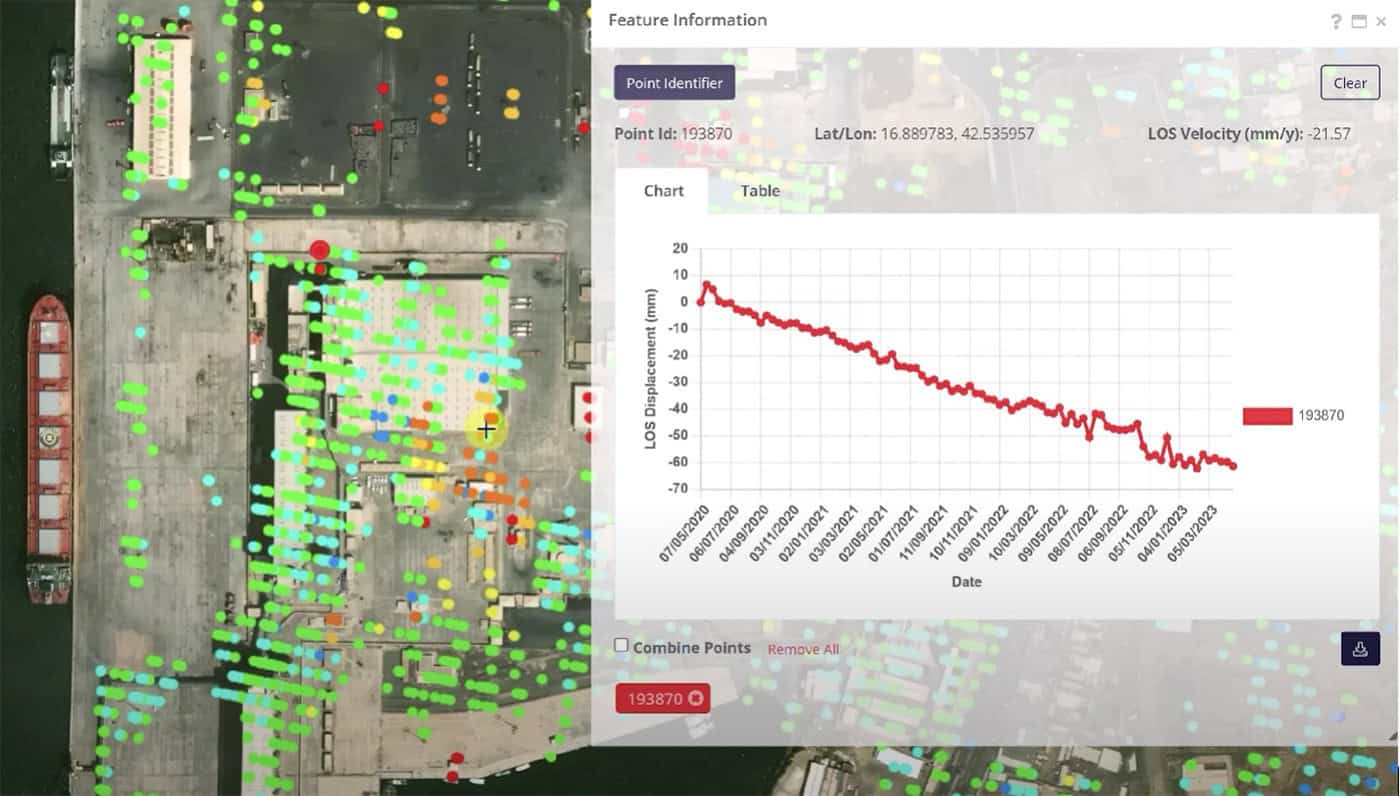
In Jazan, Saudi Arabia, GeoStruxer used an AI-calibrated geotechnical digital twin with InSAR satellite data to rehabilitate a critical grain warehouse built on unstable ground. The result was a 70% reduction in micropiles, US$2.1 million in savings, and a 44% reduction in embodied carbon, while the facility remained fully operational. Anthony Kane, President and CEO of the Institute for Sustainable Infrastructure, called it “a strong and comprehensive sustainability case” across community benefit, material efficiency, resilience, and emissions reduction. That is bankability in practice: less technical uncertainty, lower material use, clearer resilience value, and a stronger investment narrative.
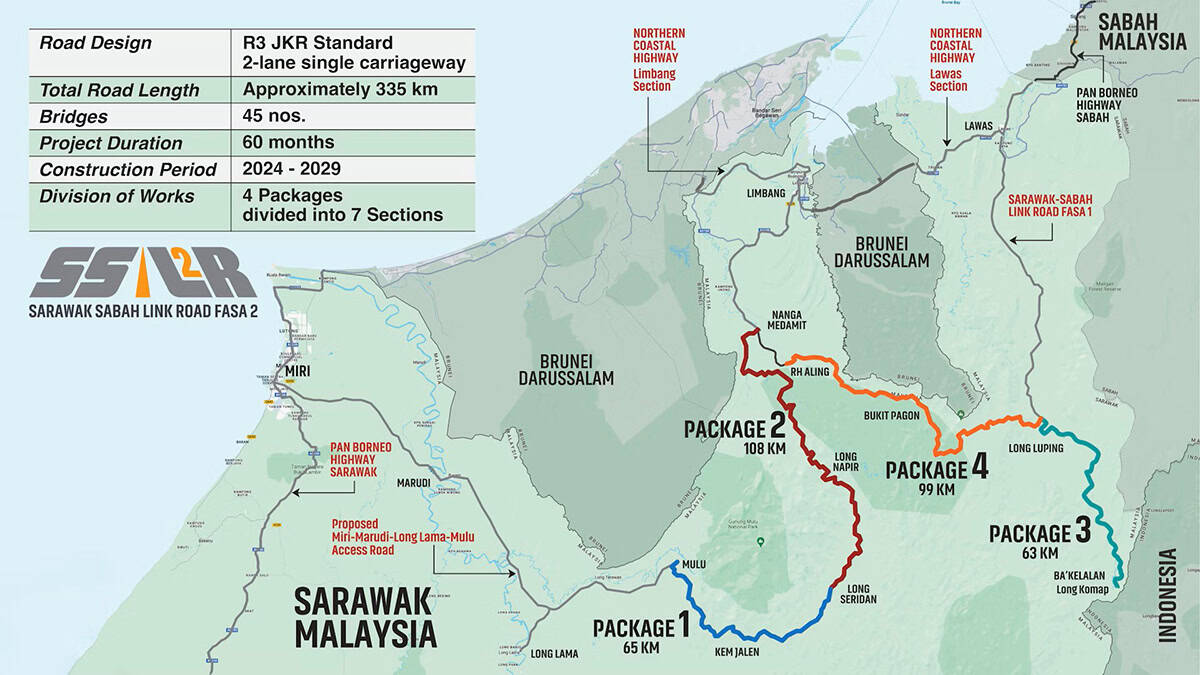
A second example comes from Sarawak, Malaysia, where the Sarawak-Sabah Link Road Phase 2 used an integrated digital twin platform to coordinate design, construction phasing, land data, environmental buffers, and stakeholder workflows across difficult terrain. According to Bentley’s project profile, the team accelerated design by 50%, reduced overall project costs by 30%, cut the project’s carbon footprint by 30%, and minimized impacts on protected areas and wildlife by 80%. Cassidy Anak Morris, Sarawak’s Director of Public Works, said the approach helped “maximize the return on investment” while ensuring sustainable infrastructure for future generations. That is exactly the bridge from pipeline to bankability: better delivery certainty, lower environmental risk, stronger ROI logic, and improved long-term asset stewardship.
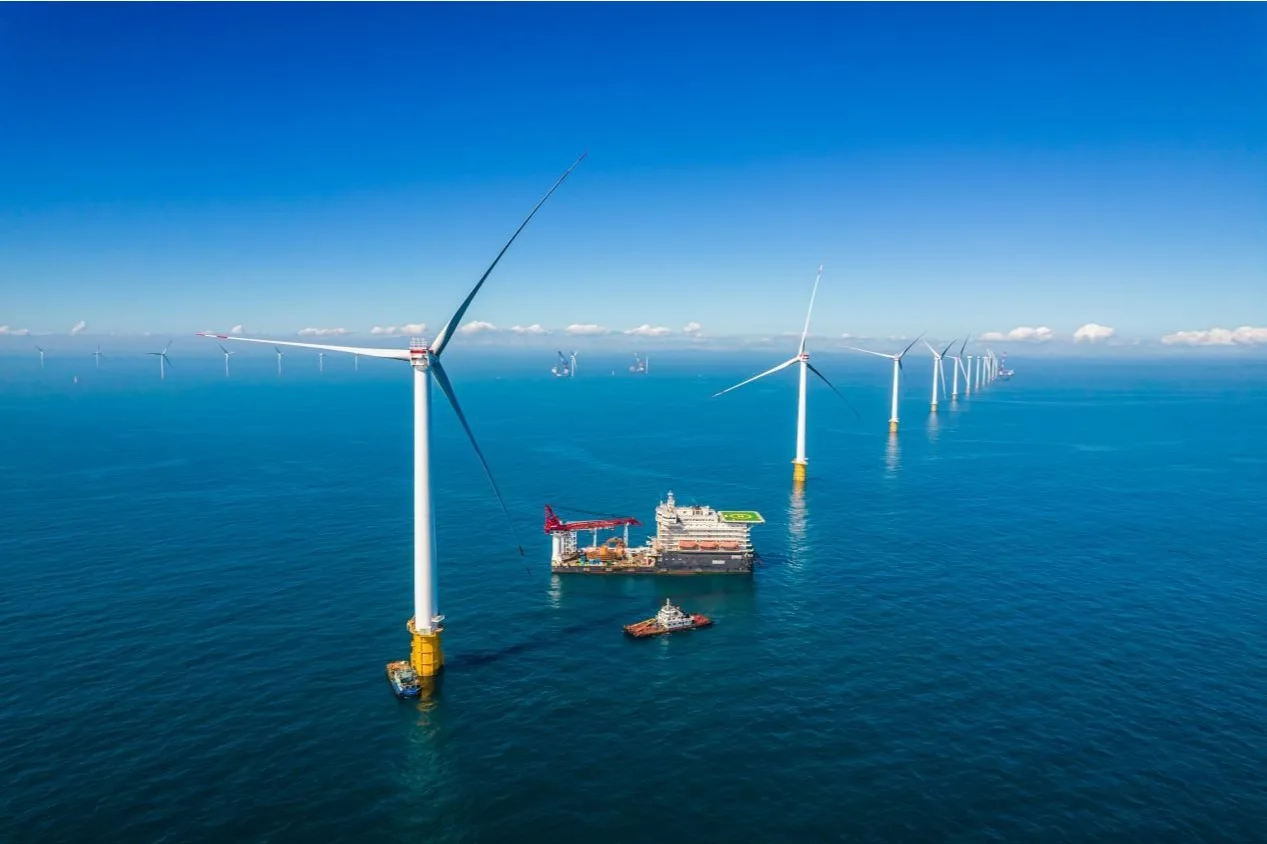
The third lesson comes from larger system-scale projects. Bentley’s 2025 infrastructure review highlighted China’s Yangjiang offshore wind project, where a connected digital ecosystem delivered a 15% faster design cycle, a 20% shorter construction period, CNY 20 million in cost savings, and a 15% reduction in annual operations and maintenance costs. In Australia, Arcadis used a connected digital twin on the Coffs Harbour bypass to save 366,000 work hours, avoid AUD 5 million in rework costs, and reduce carbon emissions by 580 tons. Those numbers matter because bankability is not just about raising capital. It is about proving that a project can convert capital into predictable delivery and durable cash-flow quality.
For sustainable infrastructure sponsors, the practical implication is straightforward. Stop treating digital twins as a late-stage operations tool. The highest-value use case is much earlier, at the point where projects are still trying to prove themselves to ministries, MDBs, climate funds, commercial lenders, institutional investors, insurers, and rating committees. A digital twin should begin life as part of project preparation, not as an afterthought once construction is underway. That is where it can improve climate-risk analysis, scenario planning, permitting coordination, carbon baselining, asset lifecycle projections, and the quality of the financing memorandum itself. The GIF’s own framing around climate-finance readiness and project bankability points in exactly this direction.
The strategic message is clear. Sustainable infrastructure will not become investable at scale through storytelling alone. It will become investable when project sponsors can show, in a disciplined and data-rich way, that an asset is designed for performance, resilience, compliance, and lifecycle value. Digital twins are increasingly one of the clearest ways to do that. In a market still constrained by weak pipelines and uneven project preparation, the firms and governments that use digital twins to reduce uncertainty will not just build better projects. They will build projects that capital can actually believe in.